
Gluten-Free Food Safety Checker
Select a food category to check its safety profile for individuals with Celiac Disease.
Imagine biting into a slice of bread and feeling your stomach twist into knots. For people with celiac disease, this isn't just discomfort; it's an autoimmune reaction that damages the small intestine every time they consume gluten. If you've recently been diagnosed or are trying to support someone who has, the question often shifts from "What can I eat?" to "What is actually safe?" The fear of hidden gluten in sauces, processed meats, and even oatmeal can make grocery shopping feel like walking through a minefield.
Here’s the good news: nature provides plenty of foods that are inherently safe. You don’t need expensive specialty products to eat well. This guide breaks down six categories of food that are naturally gluten-free, helping you build a plate that’s both delicious and safe. We’ll look at what makes them safe, how to avoid cross-contamination, and why some "healthy" options might still trip you up.
Fresh Fruits and Vegetables
Fresh fruits and vegetables are the foundation of any healthy diet, and for celiacs, they are almost always safe bets. Unlike grains, these whole foods do not contain gluten proteins (gliadin and glutenin) because they aren’t derived from wheat, barley, or rye. Whether you’re eating an apple, steaming broccoli, or roasting carrots, you’re consuming nutrients without the risk of an immune response.
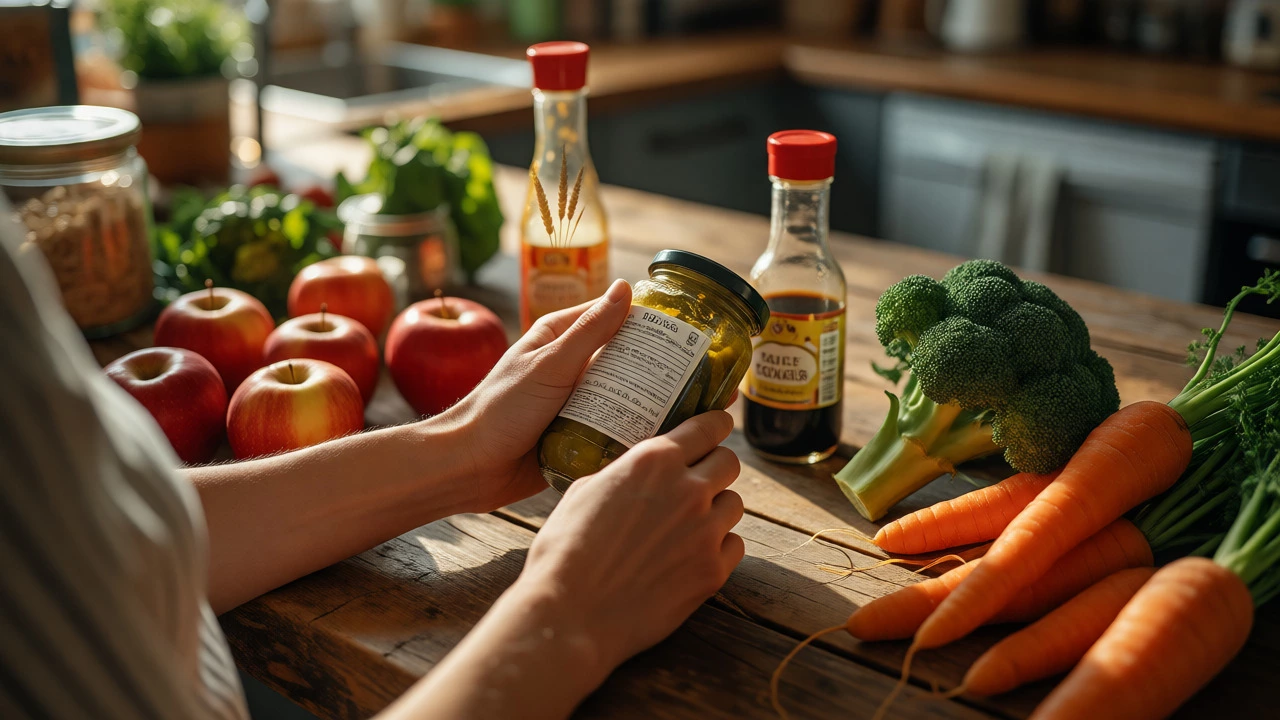
However, there is a catch when you leave the produce aisle. Frozen vegetables and canned fruits can be risky if they come with added sauces or thickeners. For example, frozen stir-fry mixes often use soy sauce (which contains wheat) as a seasoning. Always check the ingredient list on packaged produce. If the only ingredients listed are the vegetable itself and maybe water or salt, you’re in the clear. Stick to fresh, whole produce whenever possible to eliminate doubt.
Lean Proteins and Seafood
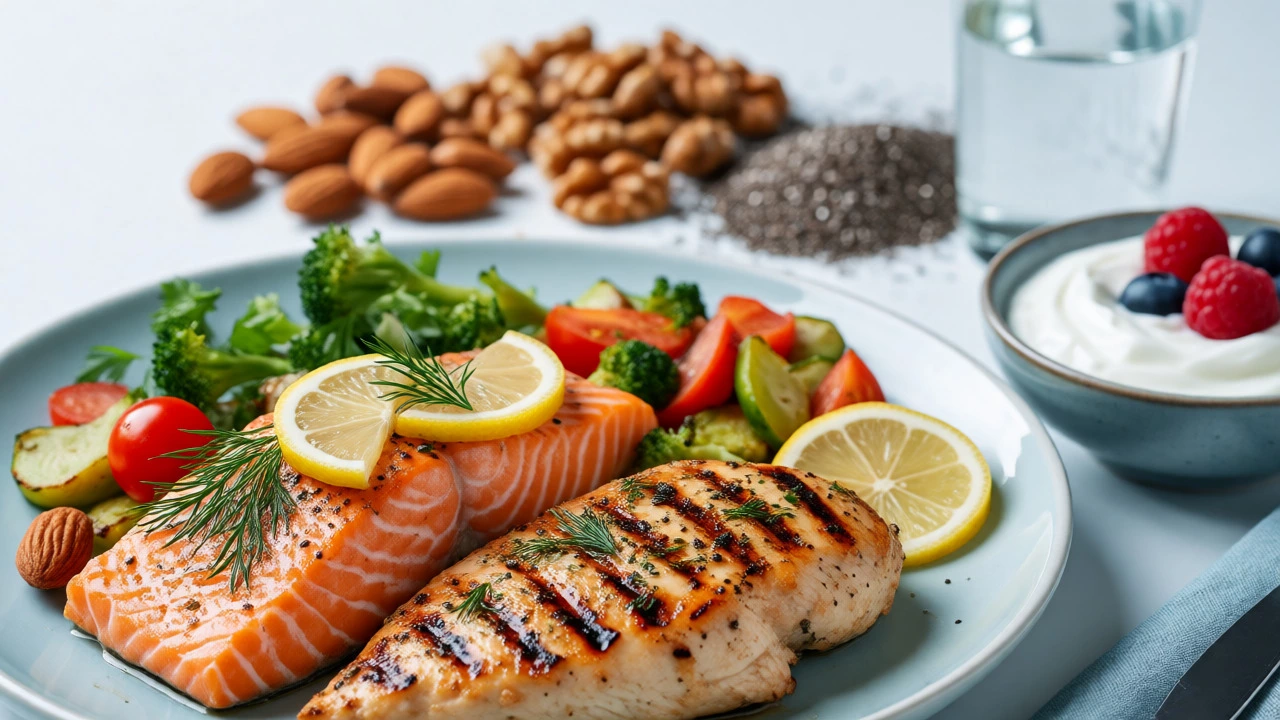
Protein sources like chicken, beef, and fish are naturally gluten-free. A plain grilled chicken breast or a baked salmon fillet contains no gluten. The problem arises during processing and cooking. Many deli meats, sausages, and pre-marinated steaks contain fillers made from wheat flour or breadcrumbs.
When buying meat, look for labels that say "no fillers" or "100% meat." For seafood, be cautious with breaded options. Fish sticks and shrimp tempura are usually coated in wheat-based batter. Instead, opt for plain fish fillets and season them yourself with herbs, lemon, and olive oil. This way, you control exactly what goes into your body. Cross-contamination is also a real issue in restaurants where fries might be cooked in the same oil as breaded chicken. At home, keep separate cutting boards for raw meats and gluten-containing items to stay safe.
Dairy Products
Most dairy products are safe for celiacs. Milk, butter, cheese, and yogurt generally do not contain gluten. Plain milk is one of the simplest safe drinks you can have. Cheese varieties like cheddar, mozzarella, and parmesan are typically gluten-free, though processed cheeses sometimes use wheat starch as a thickener.
Flavored yogurts and ice creams are where things get tricky. Add-ins like cookie dough, brownie bits, or malt flavoring introduce gluten. Malt, derived from barley, is a common culprit in chocolate milk and certain candies. Always read the label on flavored dairy products. If you love yogurt, buy plain Greek yogurt and add your own fruit or honey. It’s cheaper, healthier, and guaranteed safe. For those who are lactose intolerant alongside having celiac disease, almond milk and coconut yogurt are excellent alternatives, provided they are certified gluten-free.
Nuts and Seeds
Nuts and seeds are powerhouses of nutrition. Almonds, walnuts, chia seeds, and flaxseeds are naturally gluten-free and provide healthy fats, protein, and fiber. They make great snacks and toppings for salads or smoothies.
The danger lies in processing facilities. Nuts are often roasted in factories that also process wheat products. This leads to cross-contact, where tiny particles of gluten end up on your almonds. Look for brands that explicitly state "processed in a dedicated gluten-free facility" or carry a certified gluten-free logo. Flavored nuts are another risk area; seasonings often include wheat flour as a carrier for spices. Stick to raw or dry-roasted nuts with simple ingredients like sea salt. If you want variety, try making your own seasoned nuts at home using gluten-free tamari instead of soy sauce.
Legumes and Beans
Beans, lentils, and chickpeas are staples in many gluten-free diets. They are rich in protein and fiber, helping to maintain energy levels and digestive health. Dried beans require soaking and cooking, which gives you full control over the process. Canned beans are convenient but require scrutiny. Some manufacturers add tomato sauce or other flavorings that may contain gluten-based thickeners.
Check the label for ingredients like "modified food starch" or "natural flavors," which can sometimes hide gluten. In Australia and many other countries, wheat must be declared on the label if present, but regulations vary globally. When in doubt, rinse canned beans thoroughly and cook them with your own spices. Hummus is a popular dip made from chickpeas, but store-bought versions often contain preservatives or stabilizers. Making hummus at home with tahini, lemon juice, garlic, and olive oil ensures it remains safe and tasty.
Gluten-Free Grains and Starches
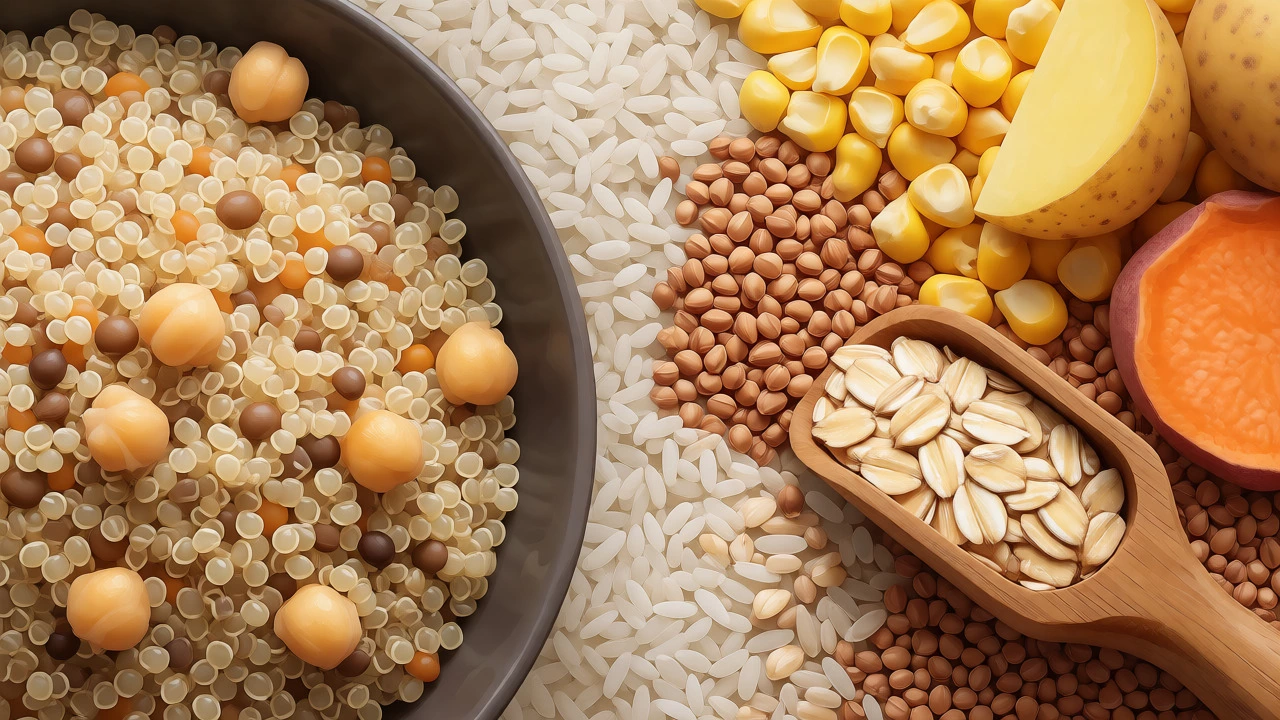
While traditional grains like wheat, barley, and rye are off-limits, several alternatives are safe. Rice, quinoa, corn, and buckwheat are all naturally gluten-free. Buckwheat sounds like wheat, but it’s actually a seed related to rhubarb and is safe for most celiacs. Quinoa is a complete protein, making it an excellent substitute for couscous or bulgur.
Oats are a special case. Pure oats are gluten-free, but they are frequently contaminated with wheat during growing, harvesting, or processing. Only choose oats labeled "certified gluten-free." Regular oats can trigger symptoms in sensitive individuals due to cross-contact. Other safe starches include potatoes, sweet potatoes, and tapioca. These provide the comfort of carbs without the inflammation caused by gluten. Experiment with different flours like almond flour or coconut flour for baking, but remember that they behave differently than wheat flour, so you may need to adjust liquid ratios in recipes.
Comparison of Common Food Safety Risks
| Food Category | Inherent Gluten Content | Cross-Contamination Risk | Safety Tip |
|---|---|---|---|
| Fresh Fruit/Veg | None | Low | Avoid pre-cut packs with sauces |
| Plain Meat/Fish | None | Medium (Processing) | Buy unmarinated, unbranded cuts |
| Milk/Cheese | None | Low | Check flavored varieties for additives |
| Nuts/Seeds | None | High (Facility contact) | Choose certified GF brands |
| Oats | None (Pure) | Very High | Only buy "Certified Gluten-Free" |
Navigating Labels and Hidden Gluten
Reading labels is a skill you will master quickly. In many regions, including Australia, the law requires that major allergens like wheat be clearly stated on packaging. However, terms like "natural flavors," "maltodextrin," or "modified starch" can be ambiguous. Maltodextrin is usually corn-based in North America but can be wheat-based in Europe. When traveling or importing goods, check local regulations.
Look for certification logos such as the "Crossed Grain" symbol or specific national certifications. These indicate that the product has been tested to contain less than 20 parts per million (ppm) of gluten, which is the international safety threshold. Be wary of bulk bins at grocery stores. Scoops used for rice or nuts may have touched flour, causing cross-contamination. Pre-packaged goods are safer than bulk items for strict celiacs.
Beyond the Six: Building a Balanced Plate
Eating gluten-free doesn’t mean eating boring. By focusing on these six categories-fruits, vegetables, lean proteins, dairy, nuts/seeds, and safe grains-you create a diverse and nutritious diet. The key is minimizing processed foods. Processed foods often hide gluten in unexpected places, from salad dressings to soy sauce. Cooking at home allows you to control ingredients and avoid hidden traps.
Remember that healing takes time. Even after removing gluten, your gut lining needs months to repair. During this period, you might be more sensitive to traces of gluten. Stay vigilant, keep your kitchen organized, and educate your family about the importance of avoiding crumbs. With practice, identifying safe foods becomes second nature, and you’ll discover a wide array of delicious meals that support your health.
Can celiacs eat oats?
Yes, but only if they are labeled "certified gluten-free." Regular oats are often contaminated with wheat during processing. Start with small amounts to ensure tolerance.
Is soy sauce gluten-free?
Traditional soy sauce contains wheat. Celiacs should use tamari, which is typically wheat-free, or specifically labeled gluten-free soy sauce.
Are all cheeses safe for celiacs?
Natural cheeses like cheddar and mozzarella are safe. Processed cheeses, blue cheeses, or cheese spreads may contain additives with gluten, so always check the label.
Can I eat out at restaurants?
Yes, but ask detailed questions about preparation methods. Ensure fries are not cooked in shared fryers and sauces are made without wheat flour. Choose establishments with dedicated gluten-free menus.
What happens if I accidentally eat gluten?
Symptoms can range from bloating and fatigue to joint pain. There is no cure for accidental exposure; rest and hydration help manage symptoms while your gut heals.