
Weight Loss Food Builder
Select foods below to build your ideal weight-loss meal. The tool calculates approximate calories, protein, and satiety score based on typical serving sizes.
1. Choose Your Ingredients
Meal Analysis
You’re standing in the supermarket aisle, staring at a wall of cereal boxes. One says "low fat," another screams "high protein," and a third claims it’s "heart healthy." It’s confusing, right? You want to lose weight, but you don’t want to eat cardboard or feel hungry an hour after lunch. The truth is simpler than the marketing makes it seem. You don’t need a magic pill or a kale smoothie that tastes like lawn clippings. You just need whole foods that keep you full, stabilize your blood sugar, and provide nutrients without packing on empty calories.
Weight loss isn’t about suffering. It’s about swapping out calorie-dense, nutrient-poor snacks for foods that actually do work. Based on current nutritional science and practical kitchen experience, here are ten foods that make losing weight easier, not harder. These aren’t just "good" foods; they are tools you can use every day to manage hunger and boost metabolism.
Why Some Foods Help You Shed Kilos
Before we list the foods, let’s talk about why these specific ones made the cut. It comes down to three main factors: satiety, energy density, and metabolic impact.
- Satiety: This is how full you feel. Protein and fiber are the heavy lifters here. They slow down digestion, so you stay satisfied longer.
- Energy Density: This is the number of calories in a given volume of food. Vegetables and fruits have low energy density-you can eat a huge bowl of spinach for very few calories. Nuts have high energy density-a small handful packs hundreds of calories.
- Metabolic Impact: Some foods require more energy to digest (the thermic effect of food) or help regulate insulin levels, which controls fat storage.
If a food hits two or three of these marks, it’s a winner for weight loss. Let’s look at the top contenders.
The Top 10 Foods for Weight Loss
1. Eggs
Eggs are arguably the most versatile weight-loss tool in your fridge. Once demonized for cholesterol, they’ve been vindicated by decades of research showing they don’t spike heart disease risk for most people. More importantly, they are incredibly satiating.
A study published in the International Journal of Obesity found that people who ate eggs for breakfast consumed fewer calories throughout the rest of the day compared to those who ate bagels. Why? Because eggs are packed with high-quality protein and healthy fats. They also contain choline, a nutrient essential for liver function and fat metabolism. Scramble them, boil them, or poach them-just avoid drowning them in butter if you’re watching calories closely.
2. Leafy Greens
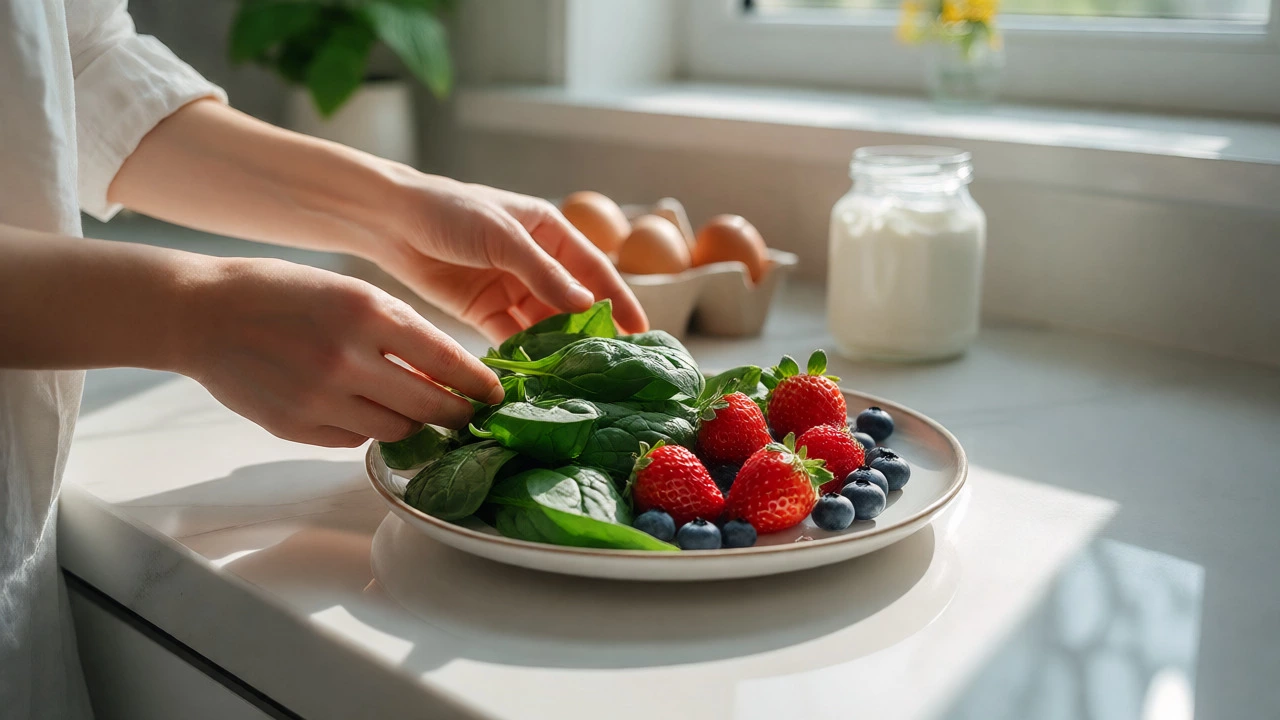
You’ve heard this before, but there’s a reason it persists. Leafy greens, such as spinach, kale, and Swiss chard, are virtually zero-calorie powerhouses. You can load up half your plate with them and barely move the needle on your daily calorie count. But they do more than just fill space.
Greens are loaded with fiber, vitamins C and K, and antioxidants. The fiber adds bulk to your stool and slows digestion, keeping you regular and full. If you hate the taste of raw kale, try blending it into a fruit smoothie where the sweetness masks the bitterness, or sauté it quickly with garlic and olive oil. The key is volume. Eat a lot of it.
3. Salmon and Fatty Fish
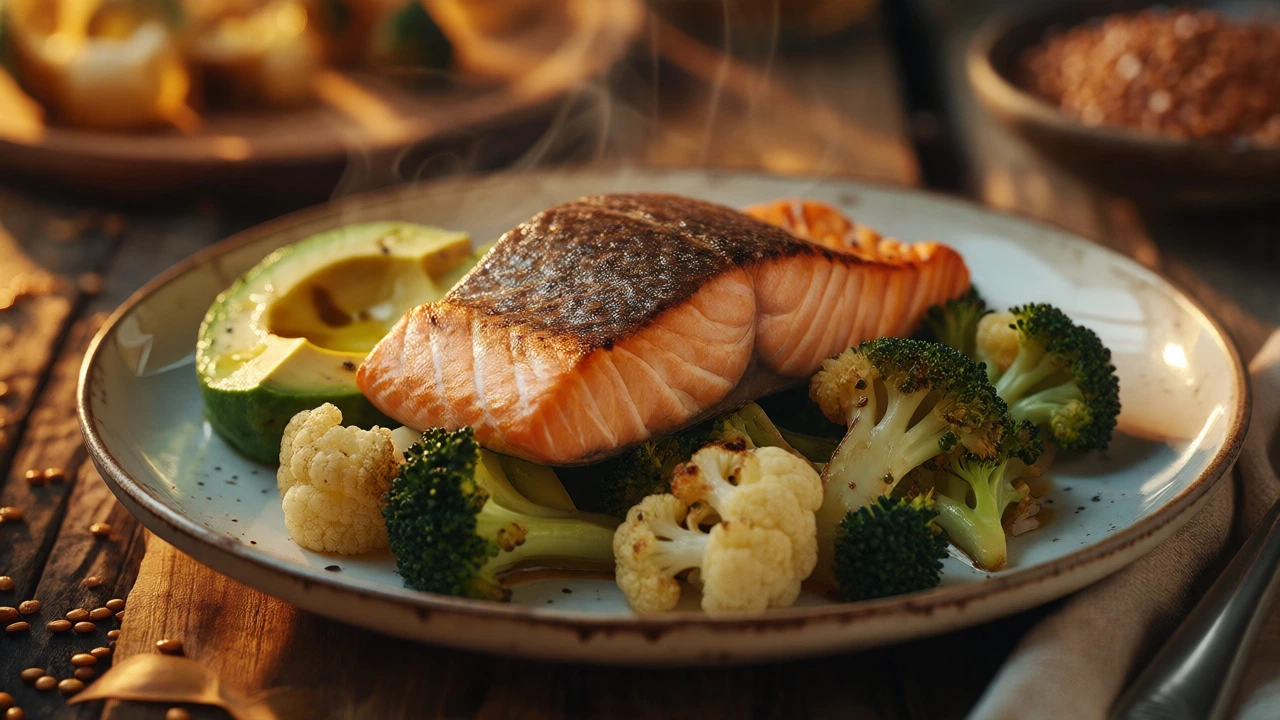
Salmon is rich in omega-3 fatty acids, which are crucial for reducing inflammation. Chronic inflammation is often linked to obesity and metabolic syndrome. Beyond the health benefits, salmon is highly satisfying. The combination of protein and fat triggers the release of hormones that tell your brain you’re full.
Aiming for two servings of fatty fish per week is a standard recommendation from health authorities like the Australian Heart Foundation. If salmon is too expensive, sardines, mackerel, and trout are excellent, cheaper alternatives. They pack similar punch regarding omega-3s and protein. Just be mindful of preparation-grilling or baking beats deep-frying any day.
4. Greek Yogurt
Not all yogurt is created equal. Regular flavored yogurts can have as much sugar as a candy bar. Greek yogurt, specifically plain, non-fat or low-fat varieties, is different. It’s strained to remove whey, resulting in a thicker texture and nearly double the protein content of regular yogurt.
High-protein diets preserve muscle mass while you lose fat. Muscle burns more calories at rest than fat does, so maintaining it is vital for long-term weight management. Greek yogurt also contains probiotics, which support gut health. Emerging research suggests a healthy gut microbiome may influence weight regulation. Top it with berries instead of honey to keep the sugar content low.
5. Avocados
Yes, avocados are high in fat. Yes, they are calorie-dense. No, they won’t make you gain weight if eaten in moderation. Avocados are primarily composed of monounsaturated oleic acid, the same healthy fat found in olive oil.
The fiber and moisture content in avocados give them a creamy texture that satisfies cravings for richness. Adding half an avocado to a salad or sandwich has been shown to reduce the desire to eat for several hours afterward. They also enhance the absorption of fat-soluble vitamins (A, D, E, and K) from other vegetables. So, pairing avocado with your leafy greens actually makes your meal more nutritious.
6. Legumes
Beans, lentils, chickpeas, and peas are often overlooked because they’re considered "cheap" or "boring." Don’t fall for that trap. Legumes are one of the best sources of plant-based protein and soluble fiber available.
Soluble fiber forms a gel-like substance in your gut, which slows digestion and helps control blood sugar spikes. This prevents the energy crashes that lead to snacking on cookies at 3 PM. Lentils cook in under 20 minutes, making them a fast option for dinner. Add them to soups, stews, or even blend them into brownies for extra moisture and protein without altering the flavor significantly.
7. Berries
If you have a sweet tooth, berries are your best friend. Berries like strawberries, blueberries, raspberries, and blackberries offer sweetness with minimal sugar. For example, a cup of strawberries has only about 50 calories, whereas a banana might have over 100.
Raspberries and blackberries, in particular, are extremely high in fiber. A single cup provides nearly half your daily recommended intake. They are also rich in anthocyanins, antioxidants that may improve insulin sensitivity. Frozen berries are just as nutritious as fresh ones and are often cheaper and available year-round. Toss them into oatmeal, Greek yogurt, or eat them straight from the freezer as a refreshing snack.
8. Chia Seeds
These tiny black seeds are surprisingly potent. Chia seeds absorb up to 10-12 times their weight in water, forming a gel. This expansion happens in your stomach, promoting a feeling of fullness.
They are dense in nutrients, including calcium, magnesium, manganese, and phosphorus. They also provide a good amount of omega-3 fatty acids (ALA). However, because they are calorie-dense, portion control is key. Two tablespoons contain around 140 calories. Sprinkle them on salads, blend them into smoothies, or make chia pudding by soaking them in milk overnight. The gel texture takes some getting used to, but many people find it satisfyingly filling.
9. Oats
Oats are a classic breakfast staple for a reason. Oats contain beta-glucan, a type of soluble fiber that has been proven to increase feelings of fullness and reduce appetite.
Choose steel-cut or rolled oats over instant packets, which often contain added sugars and sodium. Cooking oats allows the starches to gelatinize, creating a comforting, hearty porridge. Pair them with protein sources like nuts or yogurt to balance the carbohydrate load. Oats are also great for pre-workout fuel, providing sustained energy without a heavy crash.
10. Cruciferous Vegetables
Broccoli, cauliflower, Brussels sprouts, and cabbage belong to the cruciferous family. Like leafy greens, they are low in calories and high in fiber. But they also contain compounds called glucosinolates, which have anti-cancer properties.
Cauliflower, in particular, has become a star in low-carb diets because it can mimic rice, mashed potatoes, or pizza crust. This allows you to enjoy comfort foods with a fraction of the calories. Roasting broccoli brings out its natural sweetness, making it palatable even for picky eaters. Aim to include at least one serving of cruciferous veggies with lunch and dinner.
How to Combine These Foods Effectively
Eating these foods individually is fine, but combining them creates synergistic effects. Here’s a simple framework for building a weight-loss-friendly meal:
- Start with Volume: Fill half your plate with leafy greens or cruciferous vegetables.
- Add Protein: Include a palm-sized portion of salmon, eggs, chicken, or legumes.
- Incorporate Healthy Fats: Add a thumb-sized portion of avocado, nuts, or olive oil.
- Include Complex Carbs: Use a fist-sized portion of oats, quinoa, or sweet potato if needed for energy.
This structure ensures you get enough nutrients to stay energized while keeping total calories manageable. It’s flexible enough to accommodate dietary preferences, whether you’re vegan, keto, or omnivore.
| Food Item | Primary Benefit | Calories (per typical serving) | Protein Content |
|---|---|---|---|
| Eggs (2 large) | High Satiety | ~140 kcal | 12g |
| Spinach (1 cup cooked) | Low Calorie Density | ~40 kcal | 5g |
| Salmon (100g fillet) | Omega-3 Rich | ~200 kcal | 20g |
| Greek Yogurt (1 cup plain) | Probiotics & Protein | ~100 kcal | 17g |
| Lentils (1 cup cooked) | Fiber & Plant Protein | ~230 kcal | 18g |
| Blueberries (1 cup) | Antioxidants & Sweetness | ~85 kcal | 1g |
Pitfalls to Avoid
Even with the best foods, you can sabotage your progress. Here are common mistakes people make when trying to incorporate these items into their diet:
- Overdoing the Healthy Fats: Avocado and nuts are healthy, but they are calorie-dense. Eating an entire jar of almond butter in one sitting will stall weight loss faster than eating a bag of chips.
- Hiding Calories in Liquids: Smoothies can be sneaky. Blending five types of fruit, adding nut butter, and pouring in juice can easily create a 600-calorie drink that doesn’t satisfy hunger the way chewing solid food does.
- Ignoring Preparation Methods: Steamed broccoli is great. Broccoli covered in cheese sauce and fried breadcrumbs is a calorie bomb. Watch how you cook your vegetables.
- Expecting Immediate Results: These foods support weight loss over time. They aren’t laxatives. Consistency matters more than perfection.
Practical Tips for Success
Knowing what to eat is half the battle. Knowing how to fit it into your life is the other half. Try these strategies:
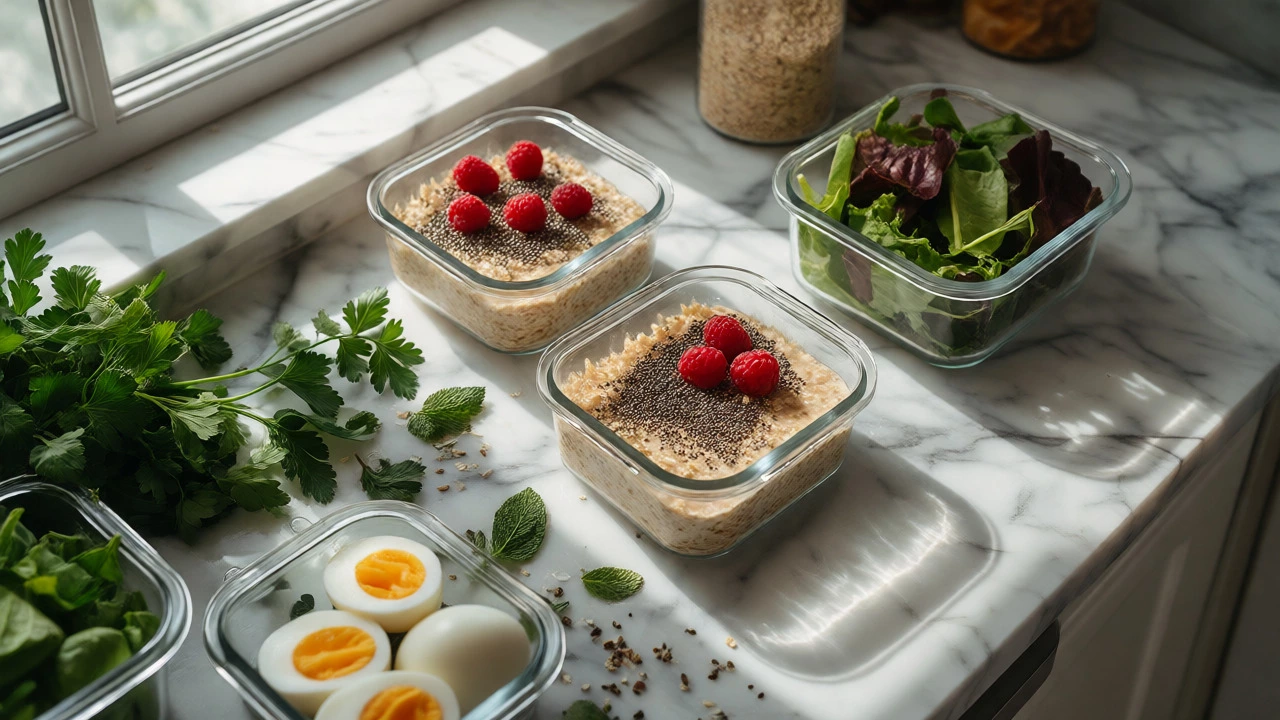
- Meal Prep Sundays: Cook a batch of lentils and roast a tray of broccoli and cauliflower. Store them in containers. When you’re tired after work, you’ll grab these ready-to-eat options instead of ordering takeout.
- Snack Smart: Keep hard-boiled eggs and apple slices in your fridge. Having convenient, healthy snacks reduces the temptation to buy vending machine junk.
- Hydrate First: Thirst is often mistaken for hunger. Drink a glass of water before meals. Sometimes, the craving disappears once you’re hydrated.
- Listen to Your Body: Stop eating when you’re 80% full. It takes about 20 minutes for your brain to register fullness. Eating slowly helps prevent overeating.
Final Thoughts on Sustainable Weight Loss
Dieting shouldn’t feel like a punishment. By focusing on whole, unprocessed foods like eggs, leafy greens, salmon, and legumes, you naturally reduce calorie intake while increasing nutrient density. You’ll likely notice better energy levels, clearer skin, and improved digestion within weeks.
Remember, no single food causes weight gain or loss. It’s the overall pattern of your eating habits that counts. Incorporate these ten foods gradually. Experiment with recipes until you find flavors you genuinely enjoy. When you love what you eat, sticking to a healthy plan becomes effortless rather than exhausting.
Can I lose weight by eating only these 10 foods?
While these foods are excellent for weight loss, eating only them can lead to nutrient deficiencies and boredom. It’s better to build a varied diet centered around these staples. Include a wide range of vegetables, fruits, and proteins to ensure you get all necessary micronutrients and maintain mental satisfaction with your diet.
Are nuts bad for weight loss because they are high in fat?
No, nuts are not bad for weight loss when consumed in moderation. Their high fat and protein content promotes satiety, helping you eat less later. However, they are calorie-dense, so stick to small portions, such as a small handful (about 28 grams) per day, to avoid exceeding your calorie needs.
Is white rice okay for weight loss?
White rice can be part of a weight loss diet, but it is less satiating than brown rice or quinoa due to lower fiber content. If you enjoy white rice, pair it with plenty of protein and vegetables to slow down digestion and stabilize blood sugar. Portion control is key, as it’s easy to overeat.
How much protein should I eat to lose weight?
General guidelines suggest aiming for 1.2 to 1.6 grams of protein per kilogram of body weight per day during weight loss. This helps preserve muscle mass, which keeps your metabolism active. Adjust based on your activity level and personal tolerance.
Do I need to count calories if I eat these foods?
You don’t necessarily need to count calories if you focus on whole foods and listen to hunger cues. These foods are naturally self-regulating because they are high in fiber and protein. However, tracking intake occasionally can help identify hidden calorie sources, especially with high-fat foods like nuts and oils.